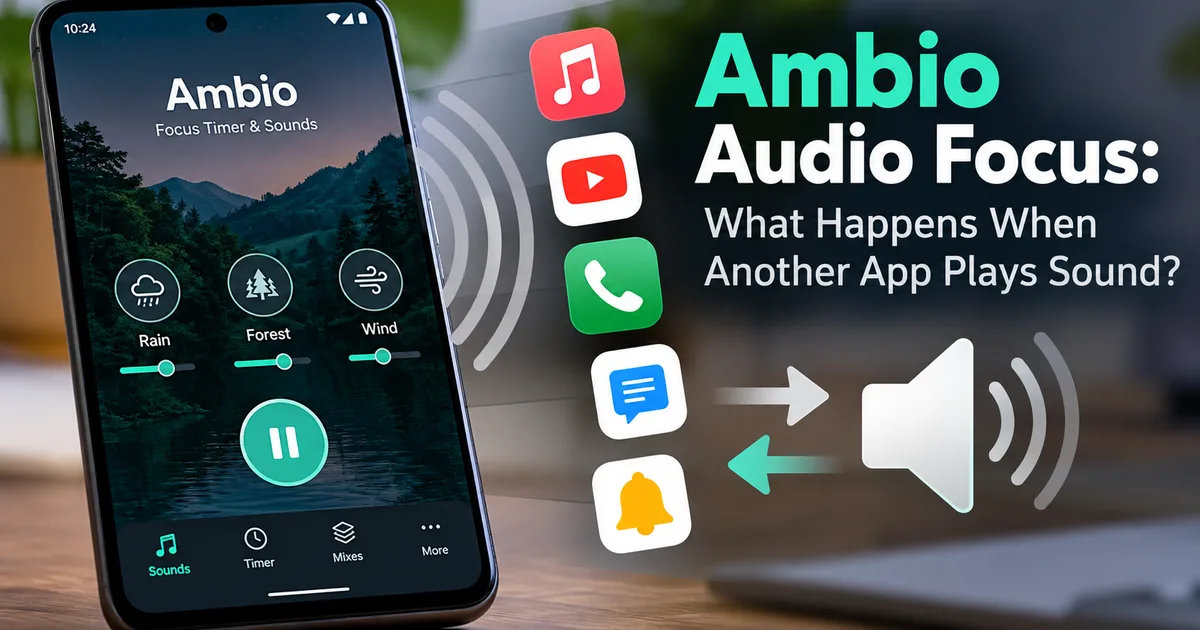

This article is about
Ambio: Focus Timer & Sounds
Jaime Barreto · Multimedia
Ambio Privacy: Does It Collect Your Data?
GetApkFree Team
Does Ambio collect your data? Learn what Ambio says about data collection, tracking, accounts, permissions, offline use, and privacy on Android.
- Version
- 2.0.0
- Requires
- Android 12.0+
- License
- MIT
- Source
- F-Droid
- Package
- com.jbgsoft.ambio
Ambio Privacy: Does It Collect Your Data? If you're looking for an ambient sound and focus timer app, privacy may be one of the first things you want to check before installing it. Ambio: Focus Timer & Sounds is designed as an offline-first Android application. Its current Google Play listing says that the app does not collect data, does not share data with third parties, does not use tracking or analytics, and does not require an account. � Google Play Ambio is also open source under the MIT License, and its project repository describes the app as fully offline, with no account, ads, or tracking. � Wegamans But what do those statements actually mean for an Android user? This guide looks at Ambio's current privacy-related information, its permissions, offline operation, account requirements, and what you should still check when installing an APK. Does Ambio Collect Your Data? According to the current Google Play listing, Ambio declares: No data collected No data shared with third parties No tracking or analytics No data leaving your device No account required These statements are presented as part of the developer's current app description and Google Play Data Safety information. � Google Play That means Ambio is presented as an application that performs its core functions locally rather than depending on a user account or cloud service. However, it is important to understand that these are developer-provided declarations. They should not be interpreted as an independent privacy audit or security certification. Does Ambio Require an Account? No. Ambio does not require you to create an account to use its core functionality. The project repository also describes the application as having no account requirement. � Wegamans This is useful because the app can be used without creating a cloud profile simply to: Run focus sessions Play ambient sounds Create sound mixes Use Ambient Mode Review session history Use background playback You can install the app and use its main features without going through a registration process. Does Ambio Track You? The developer says that Ambio does not use tracking or analytics. The current Google Play description specifically includes "No tracking or analytics" as part of its privacy information. � Google Play The project's README also describes Ambio as an offline-first application with no tracking. � Wegamans This is different from apps that send usage events to an analytics service to measure how users interact with different screens. Again, this information comes from the developer and published app metadata rather than an independent third-party audit. Does Ambio Send Data to the Internet? The current listing says that no data leaves your device and that Ambio works completely offline. � Google Play The project's documentation similarly describes the application as offline-first and says that its sounds are bundled with the app. � Wegamans For normal use, this means Ambio does not need an online account or cloud service to provide its core focus timer and ambient sound functionality. You can use the application in situations where Wi-Fi and mobile data are unavailable. For more information about offline functionality, see our guide on Ambio Offline. What Permissions Does Ambio Request? Ambio does use Android permissions related to its functionality. F-Droid currently lists permissions associated with: Foreground service Media playback foreground service Notifications Vibration Keeping the device awake Network-state information The permissions are primarily related to maintaining audio playback, displaying controls, and supporting the application's timer and playback behavior. � F-Droid A permission existing in an APK does not automatically mean that the application is collecting personal information. Android permissions should be considered in the context of what the application actually does. For a detailed explanation of the permissions, see our separate Ambio Permissions guide. Why Does Ambio Need a Foreground Service? Ambio supports background audio playback. If you start an ambient sound mix and then leave the app screen, the audio needs to continue playing. Android uses foreground services for certain long-running tasks such as media playback. F-Droid lists Ambio's foreground-service and media-playback permissions. � F-Droid This is therefore related to the app's audio functionality rather than being evidence by itself that personal information is being collected. Why Does Ambio Need Notification Permission? Ambio supports Android media controls and background playback. Notifications can be used to provide playback controls while the app is running in the background. F-Droid lists the notification permission for Ambio. � F-Droid The exact appearance of media controls can vary depending on the Android version and device manufacturer. Does Ambio Have Ads? The developer states that Ambio has no ads. The project's README lists "no ads" alongside its offline-first design and no-account/no-tracking approach. � Wegamans The current Google Play description also states "No ads, ever." � Google Play This means the application is not presented as an advertising-supported ambient sound service. Is Ambio Open Source? Yes. Ambio's source code is publicly available, and the project is released under the MIT License. � Wegamans Open-source availability provides users and developers with an opportunity to inspect the source code. However, open source should not automatically be treated as proof that an application is completely secure or private. Source availability and independent security auditing are different things. Does Ambio Store Anything Locally? Ambio includes local storage components for application data. The project's technical documentation identifies DataStore for user preferences and Room for the session-history database. � Wegamans This fits the application's offline-first design. For example, information needed for preferences and session history can be handled on the device instead of requiring an online account. Local storage is different from sending information to a remote server. Is Ambio Private Because It Is Offline? Offline operation can reduce the need for network communication, but "offline" should not be treated as a universal guarantee of privacy or security. Ambio's current listing says it works completely offline and that no data leaves the device. � Google Play The project's README also describes it as offline-first. � Wegamans These are useful privacy-related characteristics, but users should still consider: Which APK they install Where the APK came from Whether the APK has been modified Which permissions it requests Whether the installed version matches the expected package and release This is particularly important when installing APK files outside an official app store. Is Ambio's F-Droid Version Worth Checking? F-Droid currently provides Ambio builds and lists the application as open source. The Ambio repository also states that its F-Droid build is reproducible: F-Droid builds the tagged source and verifies that the resulting APK matches the expected build. � F-Droid +1 For users who specifically care about open-source distribution and reproducible builds, this provides additional information about how the F-Droid package is produced. You can learn more in our Ambio F-Droid installation guide. Ambio Privacy vs Permissions It's useful to separate two different questions: Question 1: What permissions does Android show? This tells you what system capabilities the application requests. Question 2: Does the developer say the application collects data? This relates to the application's declared data practices. Ambio's current Google Play listing says no data is collected and no data is shared with third parties, while F-Droid lists permissions primarily associated with playback, notifications, vibration, and keeping the device active. � Google Play +1 Neither piece of information should be viewed in isolation. What About Ambio's Session History? Ambio includes a session-history feature that keeps track of focus activity. The important distinction is where that information is handled. The project's technical documentation identifies Room as the database technology used for session history, while the app is described as offline-first. � Wegamans So session history should not be confused with an online productivity profile. For more information about the feature itself, see our Ambio Session History guide. Is Ambio Safe From a Privacy Perspective? Ambio's published privacy information presents it as an offline, no-account, no-ads, no-tracking application. The Google Play listing currently declares no data collection and no data sharing, while the project source is publicly available under the MIT License. � Google Play +1 However, it would be too strong to describe any application as "100% private" based only on these statements. A more accurate way to describe Ambio is: Its developer currently declares an offline, no-account, no-tracking design with no data collection or third-party data sharing. That wording separates documented claims from an independent security conclusion. What Should You Check Before Installing an Ambio APK? If you're downloading an APK manually, privacy is only one part of the evaluation. Before installing, check:
- The source Use a trustworthy APK source and avoid random download pages.
- The package name The official Ambio package is: com.jbgsoft.ambio
- The version Check that the APK corresponds to the release you intend to install.
- The permissions Compare the permissions with the app's actual functionality.
- The file integrity If you have a trusted checksum or signature for the specific release, use it to verify the downloaded file.
- The Android requirement Make sure your device supports the version you are installing. These checks are useful because an APK can be modified or repackaged independently of the original application. Frequently Asked Questions Does Ambio collect personal data? The current Google Play listing declares that Ambio does not collect data. This is a developer-provided data-safety declaration. � Google Play Does Ambio share data with third parties? The current Google Play listing says that no data is shared with third parties. � Google Play Does Ambio require an account? No. The developer states that no account is required. � Google Play +1 Does Ambio use tracking? The developer says Ambio has no tracking or analytics. � Google Play Does Ambio work offline? Yes. Ambio is described as working completely offline. � Google Play Is Ambio open source? Yes. The project is publicly available and licensed under the MIT License. � Wegamans Does Ambio contain advertisements? The developer states that Ambio has no ads. � Google Play +1 Does Ambio need permissions? Yes. Android permissions are required for features such as foreground media playback, notifications, vibration, and keeping the device awake. � F-Droid Is Ambio independently privacy-audited? The information reviewed here does not establish an independent privacy audit. The no-data-collection and no-tracking statements are developer-provided declarations. Final Thoughts Ambio's current privacy model is built around local, offline use rather than accounts and cloud services. The developer states that the app does not collect data, does not share data with third parties, does not use tracking or analytics, and does not require an account. The project is also open source under the MIT License. � Google Play +1 Those characteristics may be useful to users who prefer a simple ambient sound and focus timer without an online profile. At the same time, privacy claims should be kept in context. They are developer-provided statements rather than an independent security certification. If you install Ambio as an APK, also check the source, package name, version, permissions, and file integrity before installing.
Related Articles
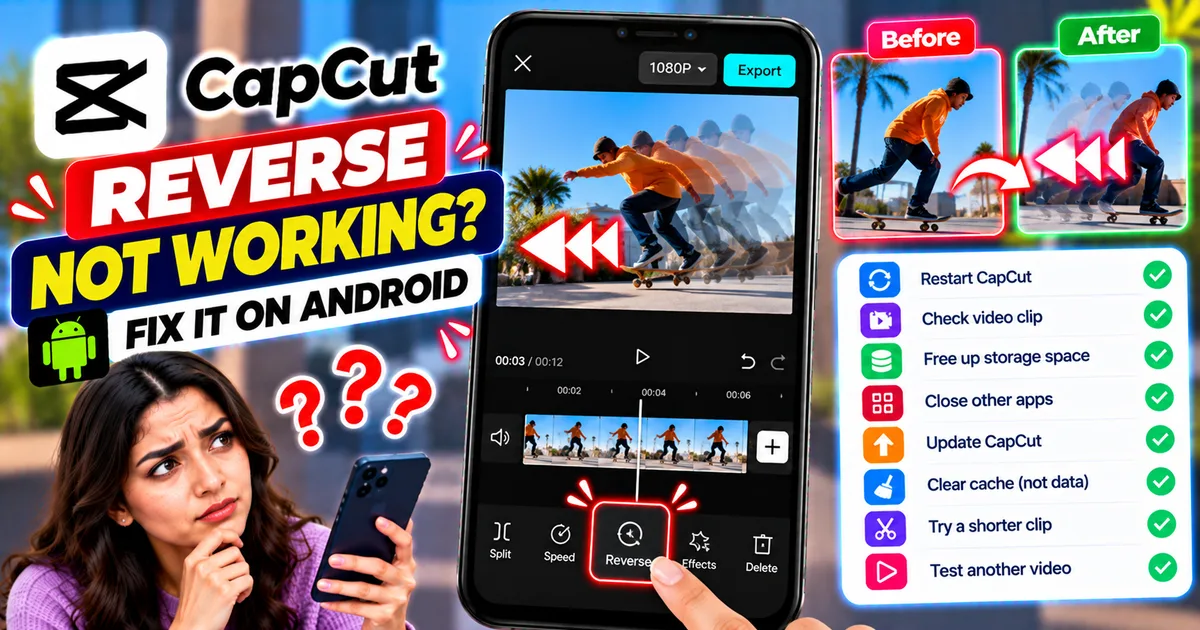
How to Fix CapCut Reverse Not Working on Android
Fix CapCut reverse not working on Android with practical steps for stuck processing, failed reverse effects, unsupported clips, low storage, and app issues.
GetApkFree Team
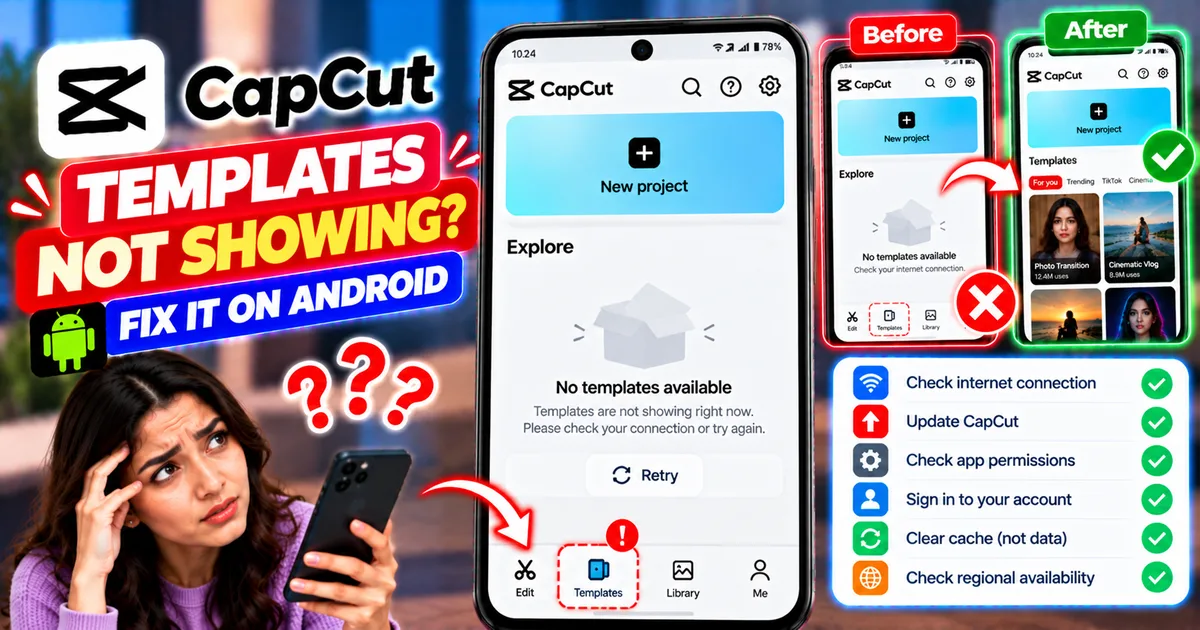
How to Fix CapCut Templates Not Showing on Android
CapCut templates not showing on Android? Find the missing Templates tab, fix an empty template library, check regional availability, and troubleshoot loading issues.
GetApkFree Team
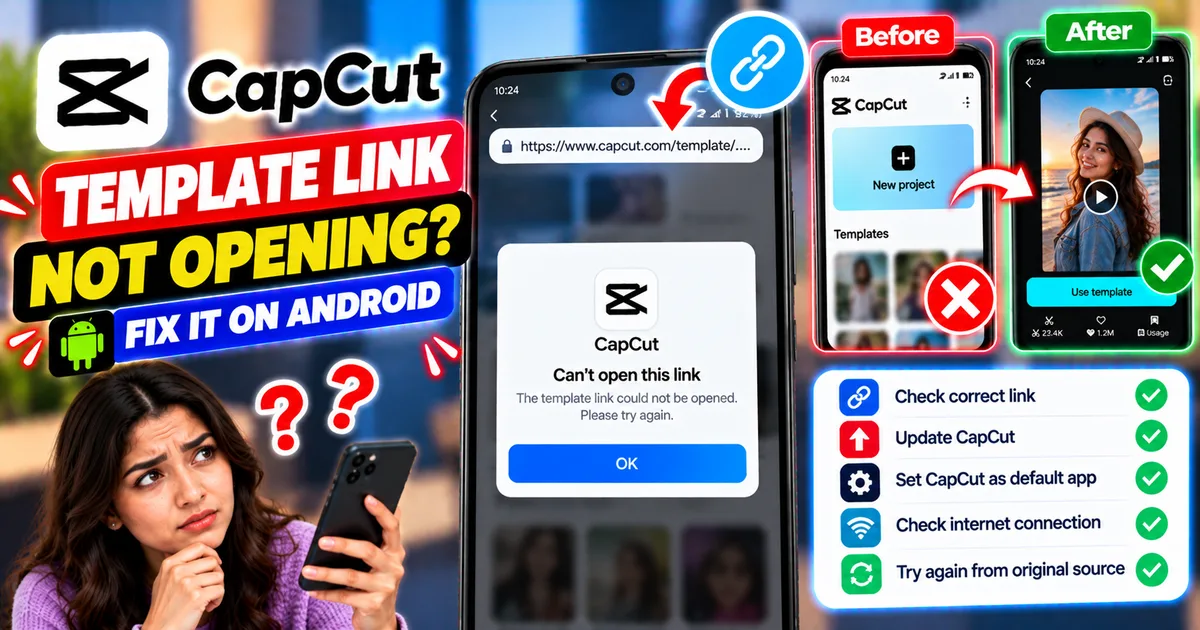
How to Fix CapCut Template Link Not Opening on Android
CapCut template links not opening on Android? Fix links that open the wrong template, redirect to the home screen, or fail to launch CapCut.
GetApkFree Team
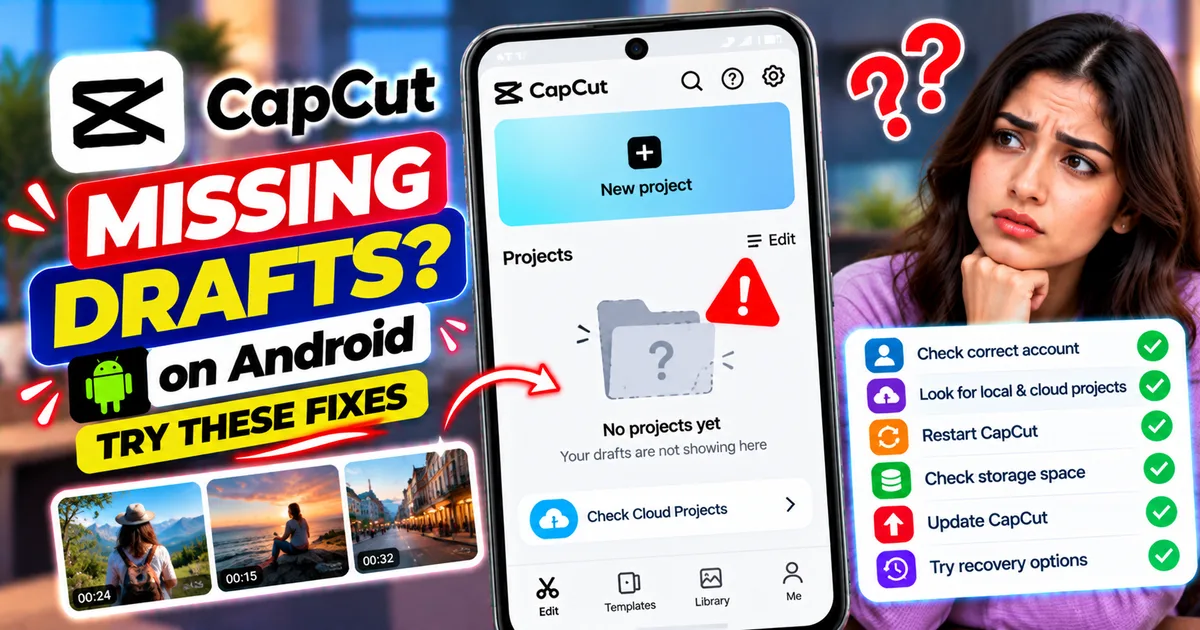
How to Fix CapCut Drafts Disappeared on Android
CapCut drafts disappeared on Android? Check your project list, account, local storage, and recovery options without risking unfinished video edits.
GetApkFree Team